Mon-Sun:
7 AM - 5 PM
60 Colburn St,
Leominster, MA 01453
A Five Star Cleaning Company

House Cleaning Tips & Resources

The Ultimate Move-Out and Move-In Cleaning Checklist

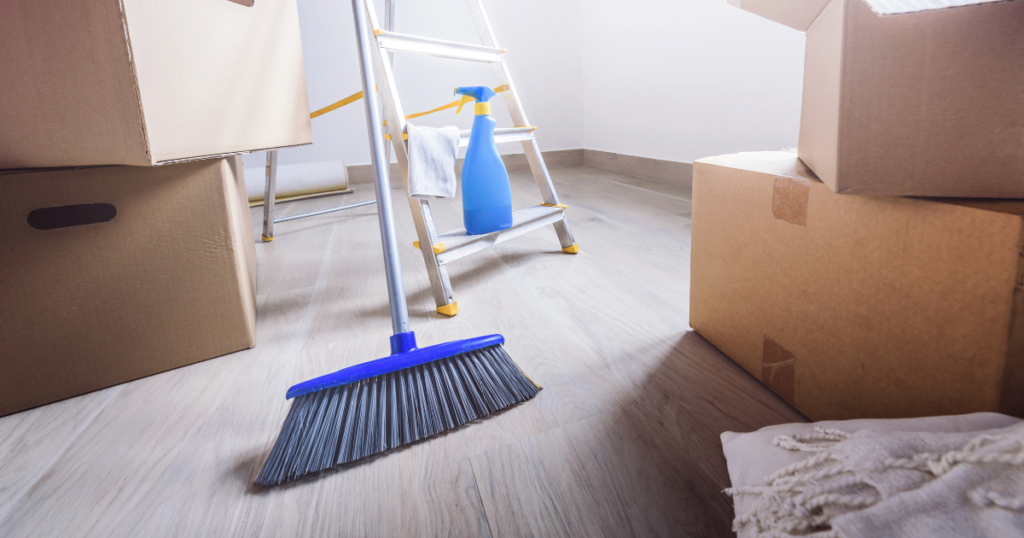
Moving is exciting, but it also comes with a long to-do list. Between packing boxes, coordinating movers, and updating your address, cleaning often gets pushed to the last minute. Whether you’re hoping to get your security deposit back or simply want to leave your old home in good condition, following a thorough move out cleaning checklist can make the process much less stressful.

Cleaning before you leave is just as important as cleaning before you settle into a new place. Dust, grime, and leftover debris from previous occupants can quickly take away from the excitement of moving in. Having both a move out cleaning checklist and a move in cleaning checklist helps ensure every room is ready for its next chapter.

In this guide, we’ll walk through what to clean before moving out, what to tackle before moving in, what landlords typically inspect, and when hiring a professional cleaning service may be the smartest option.

Why Move-Out Cleaning Is Different From a Regular Clean

A weekly or biweekly cleaning focuses on keeping your home tidy and sanitary. Move-out cleaning is much more detailed because the goal is to leave the property as close to its original condition as possible.

Unlike routine cleaning, move-out cleaning includes areas that are usually skipped during everyday chores. Empty cabinets, closets, appliances, and storage spaces reveal dust, crumbs, and buildup that may have accumulated over months or years. Since furniture has already been removed, it’s also much easier to reach walls, baseboards, and corners that aren’t normally accessible.

For homeowners preparing to sell, a spotless home creates a better impression during showings and walkthroughs. For renters, completing a thorough apartment move out cleaning checklist may help avoid deductions from a security deposit.

If your home hasn’t had a detailed cleaning in quite some time, it may also help to understand the difference between regular cleaning and deep cleaning before deciding what level of service your move requires.

Move-Out Cleaning Checklist (Room by Room)

Instead of jumping from task to task, work through your home one room at a time. This approach makes the process feel more manageable and helps ensure nothing gets overlooked.

Kitchen

The kitchen is often one of the most closely inspected rooms during move-out because grease, food residue, and spills can build up over time.

Your move out cleaning list should include:

  • Clean inside and outside of all cabinets and drawers
  • Wipe down countertops and backsplashes
  • Sanitize the sink and faucet
  • Clean inside and outside of the refrigerator
  • Remove food and wipe refrigerator shelves and drawers
  • Clean the oven, stovetop, and range hood
  • Degrease microwave interiors
  • Wipe down small appliance storage areas
  • Clean dishwasher door seals and filter
  • Mop behind and underneath movable appliances
  • Sweep and mop all flooring
  • Empty trash bins and sanitize them

Pay extra attention to grease around cooking areas, fingerprints on cabinet doors, and crumbs hiding in drawers.

Bathrooms

Bathrooms require more than a quick wipe-down. Soap scum, hard water stains, and mildew are common areas landlords and buyers notice immediately.

Include these tasks on your tenant move out cleaning checklist:

  • Scrub showers and tubs
  • Remove soap scum from tile and glass
  • Clean and disinfect toilets
  • Sanitize sinks and countertops
  • Polish mirrors
  • Wipe vanity cabinets inside and out
  • Clean medicine cabinets
  • Disinfect light switches and door handles
  • Mop floors
  • Empty and sanitize trash cans
  • Wash exhaust fan covers if accessible

Don’t forget to remove personal products from cabinets and drawers before cleaning them.

Bedrooms and Living Areas

These rooms may seem simple, but dust and scuff marks can become much more noticeable once furniture has been removed.

A complete move out cleaning checklist should include:

  • Dust ceiling fans
  • Wipe light fixtures
  • Clean windowsills
  • Dust blinds and curtain rods
  • Remove cobwebs from ceilings and corners
  • Wipe doors and door frames
  • Clean closet shelves and rods
  • Vacuum carpets thoroughly
  • Mop hard flooring
  • Spot-clean walls if needed
  • Remove nail holes or wall anchors if allowed under your lease
  • Clean interior windows where accessible

Walk through each room once it’s empty. Seeing the space without furniture often reveals areas that were previously hidden.

Often-Forgotten Spots (Vents, Baseboards, Inside Cabinets)

Even the most organized movers can overlook smaller details. These areas may not stand out during daily life, but they often catch the attention of landlords, property managers, or prospective buyers.

Before considering your move-in move-out cleaning checklist complete, remember to clean:

  • Air vents and return vents
  • Baseboards throughout the home
  • Door frames
  • Light switch plates
  • Electrical outlet covers
  • Inside cabinets and drawers
  • Closet corners
  • Window tracks
  • Behind doors
  • Laundry room shelves
  • Utility room surfaces
  • Garage shelving if applicable

Taking care of these finishing touches can make the home feel noticeably cleaner and demonstrates that the property has been well maintained.

Move-In Cleaning Checklist: Starting Fresh in a New Home

Moving into a new home is the perfect opportunity to clean before furniture and boxes fill every room. Even if the property appears tidy, dust, germs, and residue from previous occupants can still be present on frequently touched surfaces and inside cabinets.

A thorough move-in cleaning checklist helps you start with a cleaner, healthier home and makes unpacking much more enjoyable.

Before bringing in your belongings, consider completing the following tasks:

  • Wipe down all cabinets, drawers, and shelves
  • Disinfect kitchen countertops and backsplashes
  • Clean inside the refrigerator, freezer, and oven
  • Sanitize sinks and faucets
  • Scrub showers, tubs, toilets, and bathroom sinks
  • Clean mirrors and glass surfaces
  • Dust ceiling fans and light fixtures
  • Wipe baseboards and door frames
  • Clean windowsills and window tracks
  • Vacuum carpets thoroughly
  • Mop hard flooring
  • Replace HVAC filters if needed
  • Sanitize light switches, cabinet handles, and doorknobs

If you’re moving into a home that has been vacant for several weeks or months, you may also notice dust buildup in less obvious places. A deep cleaning before unpacking saves time later and gives you confidence that every room is truly ready to use.

For homes that need extra attention after sitting empty, scheduling a seasonal deep cleaning can also help restore the space before everyday life begins.

Renters: What Landlords Actually Look For at Move-Out

Many renters wonder what property managers actually inspect during the final walkthrough. While every lease is different, most landlords focus on cleanliness, normal wear and tear, and any damage beyond everyday use.

Following a detailed tenant move out cleaning checklist can help reduce the risk of cleaning-related deductions from your security deposit.

Common inspection points include:

  • Kitchen appliances cleaned inside and out
  • Cabinets and drawers emptied and wiped down
  • Bathrooms free of soap scum, mold, and hard water stains
  • Floors vacuumed and mopped
  • Carpets free of excessive dirt or pet hair
  • Walls reasonably clean without major marks
  • Baseboards dust-free
  • Windows and mirrors cleaned
  • Trash removed from the property
  • Personal belongings completely cleared out

Landlords generally understand that minor wear is part of normal living. However, grease buildup, stained appliances, overflowing trash, and neglected bathrooms often require additional cleaning before a new tenant moves in.

Completing a thorough apartment move out cleaning checklist before returning your keys can leave a positive impression and help make the move-out process smoother.

DIY vs. Hiring a Professional for Move-Out/Move-In Cleaning

Whether you should clean yourself or hire professionals depends on your schedule, the size of the home, and how much cleaning is needed.

DIY cleaning can work well if:

  • The home is already well maintained.
  • You have several days before moving.
  • You’re moving from a smaller apartment.
  • You already have the necessary cleaning supplies.

Hiring professional cleaners may be the better choice if:

  • You’re on a tight moving schedule.
  • The property hasn’t been deep cleaned in a long time.
  • You need to prepare a home for sale.
  • You’re hoping to maximize your security deposit.
  • You’re coordinating multiple moving tasks at once.
  • The home is large or has multiple bathrooms.

Professional cleaners know where hidden dust and buildup tend to collect and can often complete a detailed move-out or move-in cleaning much faster than someone tackling it alone.

If you’re trying to budget for professional help, understanding typical home cleaning costs can help you decide whether hiring a cleaning service fits into your moving expenses.

Some people also appreciate having a move out cleaning checklist PDF or a printable move out cleaning checklist to stay organized throughout the process. Whether you print a checklist or keep one on your phone, checking off tasks as you go helps ensure nothing gets forgotten.

Why This Is the Perfect Time to Start Recurring Cleaning

Moving represents a fresh start, and it’s often the easiest time to establish new routines that help keep your home clean throughout the year.

Rather than waiting until dust, clutter, and grime build up again, regular professional cleaning can help maintain the work you’ve already put into your new space. Routine service reduces the need for intensive deep cleans, keeps high-traffic areas looking their best, and makes everyday cleaning much more manageable.

Whether you’re moving into your forever home or settling into a temporary space, establishing a recurring cleaning schedule can help you spend less time scrubbing and more time enjoying your home.

Make Your Next Move Easier with Lux Professional Cleaning

Moving comes with enough responsibilities without adding hours of deep cleaning to your schedule. Whether you’re preparing to leave your current home or getting ready to settle into a new one, a professional cleaning can save you time, reduce stress, and help ensure no important details are overlooked.

At Lux Professional Cleaning, we provide thorough move-in and move-out cleaning services designed to leave homes fresh, spotless, and ready for their next occupants. Our experienced team cleans everything from kitchens and bathrooms to baseboards, cabinets, vents, and other often-forgotten areas, so you can focus on your move with confidence.

If you’re planning a move anywhere in Central Massachusetts, contact Lux Professional Cleaning to schedule your move-in or move-out cleaning. We can also help you maintain that fresh start with recurring cleaning services tailored to your home and schedule, so your space stays just as clean long after moving day.

Different between regular and deep cleaning
How Much Does a Home Cleaning Service Cost in Leominster? (2026 Pricing Guide)

If you’re searching for home cleaning in Leominster, MA, pricing can feel all over the place, and that’s because it is variable. The cost depends on your home size, how much buildup there is, whether you need a standard clean or deep clean, and how often you want service. This 2026 guide breaks down realistic price ranges, what’s usually included, and how to estimate your total so you can book confidently with Lux Professional Cleaning.

To keep this helpful (and aligned with what Google’s top results cover), I’m including pricing ranges, a comparison table, and a “what affects the price” checklist. If you want an exact quote, the fastest route is always a quick call with your home details.

Quick answer: typical home cleaning cost ranges in Leominster (2026)

Most homeowners in the Leominster area can expect home cleaning to fall into these general ranges:

Estimated price ranges (most common scenarios)

  • Small apartment / 1 bed, 1 bath: ~$120–$200
  • 2 bed, 1–2 bath home: ~$160–$280
  • 3 bed, 2 bath home: ~$220–$380
  • 4 bed, 3 bath home: ~$320–$550+

These are typical market ranges for 2026, not a guaranteed quote because every home’s condition and scope is different.

What’s usually included in a standard home cleaning?

A standard home cleaning is meant to maintain a home that’s already in decent shape. It usually includes the core “keep it consistently clean” tasks:

Standard cleaning often includes:

  • Dusting reachable surfaces (tables, shelves, décor)
  • Wiping kitchen counters + backsplash
  • Cleaning the kitchen sink + faucet
  • Cleaning bathroom sinks, toilets, mirrors, and showers/tubs (surface-level)
  • Vacuuming carpets/rugs and sweeping/mopping hard floors
  • Emptying trash and basic reset/tidying (as agreed)

Fast fact: If it’s been a while since your last cleaning, many companies recommend starting with a deep clean first, then switching to standard cleanings to maintain it.

Standard cleaning vs deep cleaning vs move-out cleaning (cost + scope)

Before you compare prices, it helps to understand what you’re actually booking. The biggest reason cleaning quotes vary is that “cleaning” can mean very different levels of detail.

Comparison table (context + clarity)

Standard cleaning is maintenance. Deep cleaning is detailed work and involves buildup removal. Move-out cleaning is inspection-level cleaning (often more intense in kitchens and bathrooms).

Type of Cleaning Best For What’s Different Typical Cost Impact
Standard Cleaning Ongoing upkeep Core surfaces + floors + bathrooms/kitchen Baseline
Deep Cleaning First-time, seasonal reset More detail: buildup, edges, extra scrubbing Higher
Move-Out Cleaning Rentals, selling, moving “Inspection ready,” inside/outside focus Higher

What affects the cost of home cleaning in Leominster?

Here are the main pricing drivers (these are the same factors you’ll see referenced across top-ranking cleaning cost pages):

1) Home size (beds/baths + square footage)

More rooms = more surfaces, more floor area, and more time. Bathrooms and kitchens usually “cost more” in time than bedrooms.

2) Home condition (buildup level)

A home that’s been maintained regularly is faster to clean than one with heavy soap scum, grease, pet hair, or dust buildup.

3) Frequency (one-time vs recurring)

Recurring service (weekly/biweekly/monthly) often costs less per visit because the home stays “maintained”.

4) Add-ons and special requests

Common add-ons that can increase the total:

  • Inside oven / inside fridge
  • Interior windows
  • Baseboards (detailed)
  • Inside cabinets
  • Laundry/bed linen changes
  • Heavy pet hair removal

5) Access + logistics

In some cases, pricing can be influenced by:

  • Parking and entry instructions
  • Stairs vs single-level
  • Number of people needed to finish on time

Pricing examples (so you can estimate your total)

Use these as “ballpark” scenarios to understand how totals are built.

Example 1: Standard home cleaning (maintained home)

  • 3 bed / 2 bath, moderate clutter, no add-ons
  • Often falls around: ~$220–$380

Example 2: Deep cleaning (first-time or heavy buildup)

  • Same home, but first clean in months + extra bathroom detail
  • Often falls around: ~$300–$500+

Example 3: Recurring cleaning (biweekly)

  • Same home, maintained with a schedule
  • Often falls around: ~10–25% less per visit than a comparable one-time clean

Money-saving tips (without sacrificing quality)

  • Declutter first: Less time moving items around = more time actually cleaning.
  • Choose recurring service: If you want long-term value, recurring cleanings usually reduce the per-visit cost.
  • Bundle add-ons strategically: If you need oven/fridge/baseboards, do them during a deep clean, then maintain with standard.
  • Be clear on priorities: If the budget is tight, ask the cleaner to prioritize kitchens, bathrooms, and floors.

FAQs people ask about home cleaning costs

How much does home cleaning cost per hour in Massachusetts?

Prices vary, and some companies price hourly, while others charge a flat rate. Hourly can work well for small jobs, while flat-rate is common for full-home cleanings because it’s easier to predict the total.

Is a deep clean worth it before recurring service?

Usually, yes, deep cleaning sets a baseline. After that, standard cleanings are faster and more consistent. Regular cleaning and deep cleaning depend on your house’s current state of cleanliness.

Do cleaners bring their own supplies?

Yes, many professional teams do, but it varies. If you have preferences (eco-friendly, fragrance-free, allergy-sensitive), mention them when you call.

Need a housecleaning today! 

If you want a clear, accurate estimate for home cleaning in Leominster, MA, the fastest way is to call Lux Professional Cleaning. We’ll ask a few quick questions about your home (beds/baths, condition, and any add-ons) and help you choose the right cleaning level for your budget and timeline. Call us today for a free consultation!

Different between regular and deep cleaning
What’s the Difference Between Regular Cleaning and Deep Cleaning?

A lot of people assume regular cleaning and deep cleaning are basically the same thing, just with different names. And honestly, that makes sense until you have lived through both. On paper, they sound similar. In real life, they feel very different. One helps you keep the house from getting out of hand. The other helps you deal with the stuff that has been quietly building up while life was busy and nobody had time to scrub behind the faucet or wipe down the baseboards.

That is usually where the confusion comes from. A home can look pretty decent and still not feel fully clean. The counters are wiped, the floors have been vacuumed, the bathroom has been cleaned, and yet something still feels off. That “off” feeling is often the difference between a house that is being maintained and a house that actually needs a deeper reset. 

Once you understand what each type of cleaning is meant to do, it becomes a lot easier to know which one your home actually needs.

Regular Cleaning Helps You Stay on Top of Things

Regular cleaning is the kind of cleaning that keeps everyday life manageable. It is what prevents the house from slipping into chaos between work, errands, school schedules, cooking, pets, and everything else going on. It focuses on the tasks that need to happen consistently so the home stays comfortable and presentable.

That usually includes:

  • Vacuuming and mopping the main areas
  • Wiping down counters
  • Cleaning sinks, toilets, and mirrors
  • Dusting easy-to-reach surfaces
  • Straightening up general living spaces
  • Taking care of visible mess and buildup

This kind of cleaning matters because it keeps the house functional. It helps you stay ahead of the obvious stuff. But it is not meant to cover every detail, and that is where people sometimes expect more from it than it is actually designed to do.

Deep Cleaning Is What Happens When the Details Need Attention

Deep cleaning is different because it goes after the things that do not always get handled during a normal cleaning routine. Not because anyone is doing something wrong, but because most people are focused on what they can get done in the time they have. Deep cleaning is what happens when you finally get into the areas that have been waiting their turn for a while.

That often includes:

  • Baseboards
  • Window sills
  • Door frames
  • Cabinet fronts
  • Detailed bathroom scrubbing
  • Grease buildup in the kitchen
  • Corners and edges
  • Under or behind furniture, where possible
  • High-touch areas that collect grime over time

This is usually the kind of cleaning people are thinking of when they say they want the house to feel really clean.

One Is for Upkeep, the Other Is for Resetting the House

This is probably the easiest way to understand the difference. Regular cleaning keeps the house going. Deep cleaning brings it back. One helps you maintain a decent baseline. The other helps restore it when that baseline has started to slip.

That is why a house can have regular cleaning and still eventually need a deep clean. It does not mean the regular cleaning is not working. It just means routine upkeep and detailed resetting are two different jobs.

A good way to think about it is this: regular cleaning handles what you are seeing every day. Deep cleaning handles what you have stopped noticing because it has been there so long.

The Difference Usually Shows Up in the Small Stuff

Most of the time, the biggest difference between regular cleaning and deep cleaning is not in the obvious places. It is in the little things. The trim has a layer of dust on it. The cabinet fronts feel slightly sticky. The bathroom corners never seem to stay fresh. The edges of the floor get missed because everyone is focused on the middle of the room.

Quick Comparison: Regular Cleaning vs. Deep Cleaning

Area Regular Cleaning Deep Cleaning
Purpose Keep the home maintained Reset the home more thoroughly
Dusting Visible surfaces Baseboards, trim, sills, fixtures, and detailed areas
Kitchen Counters, sink, quick wipe-downs Cabinet fronts, grease-prone spots, and detailed scrubbing
Bathroom Toilet, sink, mirror, surface cleaning Tile, grout, fixtures, buildup removal, and deeper sanitizing
Floors Main walking areas Corners, edges, and under furniture, where possible
Frequency Weekly, biweekly, or monthly Every few months or as needed

That is why deep cleaning tends to feel so satisfying. It is not just cleaner. It feels like the house can breathe again.

A Lot of Homes Need Both, Just at Different Times

For most people, this is not really an either-or situation. Regular cleaning and deep cleaning work best together. Deep cleaning gives the home a stronger starting point, and regular cleaning helps keep it there. Without maintenance, the house slips back. Without the occasional reset, maintenance starts doing less and less. 

This is especially true if:

  • It has been a while since the last detailed clean
  • The home has pets, kids, or heavy daily use
  • You are getting ready for guests or a move
  • You want to start recurring service from a cleaner baseline
  • The house feels harder to keep up with than it used to

A lot of homeowners start with a deep clean simply because it is easier to maintain a home once the deeper buildup has already been handled.

So, How Do You Know Which One You Need?

Usually, your house tells you. If things are mostly under control and you just want help keeping up with the usual cleaning, regular cleaning is probably enough. But if the home feels dull, certain rooms never quite feel clean, or you are noticing buildup in the details, deep cleaning is probably the better fit.

Signs you may need deep cleaning:

  • Dust along baseboards and trim
  • Buildup in bathrooms or kitchens
  • Floors that still look tired after cleaning
  • A stale feeling in the home
  • Months since the last detailed clean
  • The sense that you are constantly cleaning but never fully catching up

That last one is a big one. If you feel like you are always cleaning but the house never quite gets to where you want it, that usually means the routine is maintaining a space that needs a reset first.

What’s the Difference Between Regular Cleaning and Deep Cleaning?

Ready to schedule professional cleaning in Leominster, MA, or set up a recurring service that fits your home? Lux Professional Cleaning helps homeowners figure out what their space actually needs with detailed, eco-friendly service and dependable care. If you are deciding between regular cleaning and deep cleaning, contact Lux Professional Cleaning today for a free estimate.


House Deep Cleaning
How Often Should You Deep Clean Your House?

Most people do not wake up one morning and think, today is the day this house needs a deep clean. Usually, it happens more gradually than that. The kitchen starts feeling harder to keep up with. The bathroom looks clean, but it isn’t really clean. Dust seems to show back up almost as soon as you deal with it. Little by little, the house starts asking for more than the usual routine can give it. That is usually the point where deep cleaning stops being optional and starts making sense.

The hard part is that there is no perfect universal answer. Some homes can go a while with regular upkeep and still feel fresh. Others collect dust, grime, pet hair, and general lived-in buildup much faster. 

So the better question is not just how often people should deep-clean their house in theory. It is how often your house needs a reset based on how you live in it. Once you look at it that way, the answer becomes a lot easier to spot.

For Most Homes, Every 3 to 6 Months Is a Good Baseline

If you want a practical answer, most homes benefit from a deep clean every three to six months. That is often enough to deal with the buildup that routine cleaning misses, but not so often that it feels excessive or unrealistic. Think of it as the difference between maintaining the house and actually resetting it.

Regular house cleaning helps you stay afloat. It keeps the obvious mess under control. Deep cleaning is what catches everything that has been quietly building up in the background. It gets into the places that do not always make the weekly list but absolutely affect how the home feels, like baseboards, corners, cabinet fronts, bathroom buildup, and the grime that settles in high-use areas over time.

If it has been more than six months since your last real deep clean, there is a good chance your home is due, even if it still looks decent at first glance.

Some Homes Reach That Point Much Faster

Not all homes get dirty in the same way or at the same speed. A quiet household with no pets and minimal foot traffic is going to stay manageable longer than a busy family home where people are constantly coming and going. That is why deep cleaning schedules should be flexible.

You may need to deep clean more often if your home has:

  • Pets that shed or track in dirt
  • Young kids
  • A lot of daily cooking
  • Allergy-sensitive family members
  • Multiple people sharing the space
  • Frequent visitors
  • High-use bathrooms or common areas

In homes like that, every two to three months is often a better fit. It is not because the house is somehow “worse.” It is just being lived in harder, which means buildup happens faster.

The House Usually Tells You Before the Calendar Does

A lot of people try to put deep cleaning on a schedule and then forget about it until the date comes around. But honestly, the house usually gives you signs before the calendar does. You start noticing that normal cleaning is taking longer, but doing less. Rooms feel off even after you clean them. The surfaces are technically wiped down, but the house still does not feel refreshed.

That can show up as:

  • Dust is coming back almost immediately
  • Floors that still look dull after mopping
  • Kitchen surfaces feel sticky or greasy
  • Bathrooms that never quite feel fully clean
  • Buildup around faucets, grout, or baseboards
  • A general stale or heavy feeling in the home

That last one matters more than people think. Sometimes you cannot point to one dramatic problem. The house just feels like it needs a reset.

Deep Cleaning Is Less About Mess and More About Build-Up

One reason people put off deep cleaning is that they associate it with the house being in bad shape. But that is not really what it is about. Deep cleaning is not only for homes that are visibly dirty. In a lot of cases, it is for homes that are being maintained fairly well but still have layers of buildup that routine cleaning does not fully reach.

That includes things like:

  • Dust along the trim and vents
  • Residue on cabinet fronts
  • Soap scum and mineral buildup in bathrooms
  • Dirt trapped around edges and under furniture
  • Fingerprints and smudges on doors, switches, and handles
  • Grease around cooking areas

This is why a home can look “fine” and still benefit a lot from a deep clean. The issue is not always a clutter or an obvious mess. It is the slow accumulation of everything that gets missed a little at a time.

Seasonal Deep Cleaning Works for a Reason

There is a reason so many people think about deep cleaning in spring or fall. Seasonal changes naturally make people more aware of the house. In spring, you are coming out of winter with stale air, extra dust, and months of indoor buildup. In the fall, you are getting ready to spend more time inside again and want the home to feel settled before the colder months start.

For many homeowners, this makes a seasonal schedule the easiest one to stick to.

Quick Guide: How Often to Deep Clean Based on Household Type

Household Type Suggested Deep Cleaning Frequency
Low-traffic home Every 6 months
Average household Every 3 to 6 months
Home with pets or kids Every 2 to 3 months
Allergy-sensitive household Every 2 to 3 months
Before hosting, moving, or after a busy season As needed

It does not have to be complicated. If tying it to the seasons helps you remember and stay ahead of buildup, that is usually a smart approach.

Why It Feels So Different After a Deep Clean

A big clean changes the feel of a home in a way regular cleaning usually does not. The air feels lighter. Rooms look brighter. The kitchen feels easier to use. The bathroom feels fresher. Even the floors seem different. That is because deep cleaning deals with the stuff that has been quietly affecting the space all along.

It also makes regular cleaning easier afterward. Once the buildup is gone, maintenance feels more manageable. You are no longer trying to clean on top of months of accumulated dust, grime, or residue. You are just maintaining a cleaner baseline.

That is a big reason many homeowners schedule deep cleaning before starting recurring service. It gives the home a proper reset first.

When Professional Deep Cleaning Makes the Most Sense

A lot of people could deep-clean their own house if they had a full free day, enough energy, and the motivation to spend hours scrubbing areas they normally avoid. The problem is that most people do not have all three at the same time. That is where professional help becomes worth it.

Professional deep cleaning is especially useful when:

  • It has been a long time since the last full clean
  • You are too busy to do a proper reset yourself
  • The house needs more than surface-level attention
  • You want better results in less time
  • You are preparing for guests, a move, or a seasonal transition

Sometimes hiring help is less about convenience and more about finally getting the house back to a place that feels good again.

So, How Often Should You Deep Clean Your House?

Ready to schedule a professional deep cleaning in Leominster, MA? Lux Professional Cleaning helps homeowners reset their homes with detailed, eco-friendly service that goes beyond the obvious surfaces. If your home feels like it is due for a real refresh, contact Lux Professional Cleaning today for a free estimate!


Spring Cleaning
What Does a Spring Cleanup Consist Of?

Spring cleanup sounds simple enough, but once you really start looking around the house, it becomes clear that it is not just about wiping things down and calling it a day. There is usually a lot more hiding in plain sight after winter than most people expect. The dust is heavier in places you have stopped noticing, the kitchen has a little more buildup than it seemed to, and certain rooms just do not feel as fresh as they should. 

That is why a real spring cleanup feels so satisfying. It gets into the details that routine cleaning tends to miss and brings the whole home back to life.

Below, we will break down the main parts of a spring cleanup, where most of the hidden buildup tends to collect, and why this kind of seasonal reset makes such a noticeable difference.

It Usually Starts With the Areas You Stop Noticing

One of the biggest parts of a spring cleanup is dealing with the surfaces that slowly collect dust and grime without demanding attention right away. These are not always the first things you see when you walk into a room, but they absolutely affect how clean the home feels overall.

That often includes:

  • Baseboards
  • Window sills
  • Door frames
  • Ceiling fans
  • Light fixtures
  • Blinds
  • Shelves and decorative surfaces

These areas tend to be skipped during normal weekly cleaning because they are not urgent. But once they are cleaned, the difference is immediate. Rooms feel brighter, cleaner, and less weighed down.

The Kitchen Usually Needs More Than a Quick Wipe-Down

If there is one room where buildup happens quietly, it is the kitchen. Even when it looks fairly clean at a glance, there is often more going on than people realize. Cabinet fronts collect fingerprints and cooking residue. The area around the stove tends to hold grease. Crumbs work their way into corners. Sinks and faucets build up water spots and grime over time.

A spring cleanup usually includes a more detailed kitchen refresh, such as:

  • Sanitizing countertops
  • Wiping cabinet fronts and handles
  • Degreasing around the stove and backsplash
  • Cleaning appliance exteriors
  • Scrubbing sink areas
  • Vacuuming and mopping floor edges and corners

This is the kind of deep cleaning that makes the kitchen feel reset instead of just straightened up.

Bathrooms Need Detail Work to Feel Truly Clean

Bathrooms are another space where routine cleaning only goes so far. You can wipe the sink, clean the mirror, and disinfect the toilet regularly, but spring cleanup usually goes deeper than that. It focuses on the buildup that forms slowly around fixtures, tile, grout, and corners where moisture tends to linger.

That often means cleaning:

  • Showers and tubs
  • Tile and grout
  • Toilets, including the base
  • Mirrors
  • Sinks and counters
  • Faucets and fixtures
  • Floors and edges
  • High-touch surfaces

When those details are handled properly, the bathroom feels less like a room you are constantly trying to keep up with and more like one that has actually been refreshed.

Floors Hold More Than Most People Think

A lot of what makes a home feel dirty is sitting lower than eye level. Floors collect everything, especially during the winter months. Dirt, dust, pet hair, and everyday debris settle into corners, along baseboards, and under furniture where a quick vacuum pass does not always reach.

A spring cleanup usually includes:

  • Vacuuming along edges and trim
  • Reaching corners that get missed during routine cleaning
  • Cleaning under furniture where possible
  • Mopping beyond the obvious traffic areas
  • Giving extra attention to entryways and heavily used spaces

This part matters because once the floors are cleaned in detail, the whole house starts to feel more in order.

Windows, Sills, and Small Details Make a Big Difference

One of the most satisfying parts of a spring cleanup is how much brighter the home feels afterward. That is often because the smaller details finally get attention. Dusty blinds, smudged interior windows, dirty sills, and dull fixtures all affect the feel of a room more than people expect.

Cleaning these areas helps:

  • Bring in more natural light
  • Cut down on dust around window areas
  • Make rooms feel fresher and more open
  • Improve the overall appearance of the home without changing anything else

Sometimes that “clean house” feeling comes less from one major task and more from finally taking care of all the little things at once.

Quick Look: Routine Cleaning vs. Spring Cleanup

Area Routine Cleaning Spring Cleanup
Dusting Main visible surfaces Baseboards, trim, fans, sills, fixtures
Kitchen Counters and quick wipe-downs Cabinet fronts, grease-prone areas, and detailed sanitizing
Bathrooms Basic surface cleaning Grout, fixtures, buildup removal, deeper scrubbing
Floors Main traffic areas Corners, edges, under furniture, and detailed mopping
Windows Often skipped Interior glass, sills, and surrounding buildup

Why People Book Professional Spring Cleaning

Some people enjoy doing a full spring clean themselves. Others know exactly how much time and energy it takes and would rather not spend an entire weekend scrubbing baseboards and chasing dust behind furniture. That is where professional help makes sense.

A professional spring cleanup is especially helpful when:

  • Your home has not had a detailed cleaning in a while
  • You are juggling work, kids, or a packed schedule
  • You want a real reset instead of surface-level tidying
  • You are dealing with pets, allergies, or extra dust
  • You want to start recurring cleaning with a clear baseline

It is not about whether you can do it yourself. It is about whether you want to spend the time doing it and whether the home needs a more thorough reset than you can realistically fit into your week.

What a Spring Cleanup Really Comes Down To

Ready to schedule a professional spring cleanup in Leominster, MA? Lux Professional Cleaning helps homeowners get their homes back to that fresh, comfortable baseline with detailed, eco-friendly service and a team that knows how to clean beyond the surface. If your home could use a real seasonal reset, contact Lux Professional Cleaning today for a free estimate on spring cleanup in Leominster, MA!